
Rural Homes
Ranches and homes past the end of the cable or fiber line in the Hill Country and beyond.
GreenTechFusion is a mobile renewable energy consultant working the Texas Hill Country (Kerrville) in winter and Rhode Island (Portsmouth) in summer. Our RV, off-grid and rural customers keep asking about Starlink, so here is what we tell them: what it is for, which plan fits, and how to run it on solar.
Order Starlink with our referral linkOpens starlink.com in a new tab. See current pricing on Starlink; plans and prices vary by area.
Ranches and homes past the end of the cable or fiber line in the Hill Country and beyond.
Full-timers and snowbirds who need internet at the campground, boondocking site or on the road.
Cabins and camps running on solar and batteries, where every watt counts.
A second connection for storms and outages, paired with a battery backup system.
For a fixed home address, with unlimited data. Starlink offers several Residential speed tiers, and some tiers are only available in select areas.
Order ResidentialMade for RVs, campers, nomads and working on the go. Roam supports in-motion use and lets you pause service with Standby Mode. Choose a data-allotment plan or unlimited.
Order RoamThe full-size dish for homes and larger RV setups. Official spec: average power consumption 75–100 W, runs from AC power through the included power supply.
Order StandardA compact, backpack-size dish with built-in Wi-Fi. Official spec: average 25–40 W, 12–48 V DC input (60 W), ideal for solar and power stations.
Order MiniSee current pricing on Starlink. Plans, prices and availability change and vary by address, so check starlink.com before ordering.
Size your battery and solar from daily energy use: watt-hours per day = watts × hours of use.
| Kit | Avg. watts (spec) | 8 hrs/day | 24 hrs/day |
|---|---|---|---|
| Starlink Mini | 25–40 W | about 320 Wh | about 960 Wh |
| Standard Kit | 75–100 W | about 800 Wh | about 2,400 Wh |
Worked example (estimate): a Mini at 40 W for 8 hours uses 40 × 8 = 320 Wh. Add roughly 15–20% for inverter or converter losses and you need about 380 Wh a day, which a 1,000 Wh portable power station covers with room to spare. Running the Mini on DC (12 V or USB-C PD) avoids inverter losses. To recharge that each day, a 200–300 W solar panel is a common starting point in good sun, but your location and season matter.
See our solar picks Contact us for system design
As an Amazon Associate I earn from qualifying purchases. Check that any third-party accessory is compatible with your Starlink kit.
Three example sizing estimates using Starlink's official average power figures for the dish only (no other loads included), plus 20% for conversion losses, 80% usable battery depth of discharge, and 75% overall solar system efficiency. Peak sun hours are approximate. Example estimate - actual needs vary. These are not customer installs.
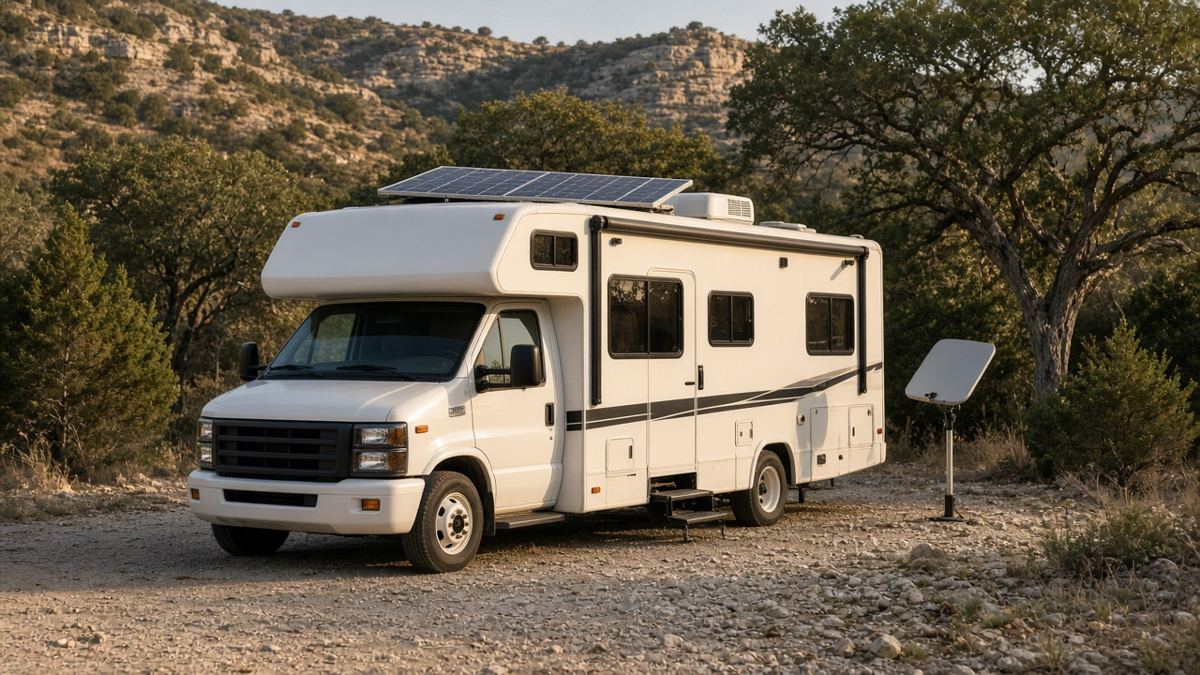
Example estimate - actual needs vary.
Gear on Amazon: 500Wh power stations · 100W portable panels
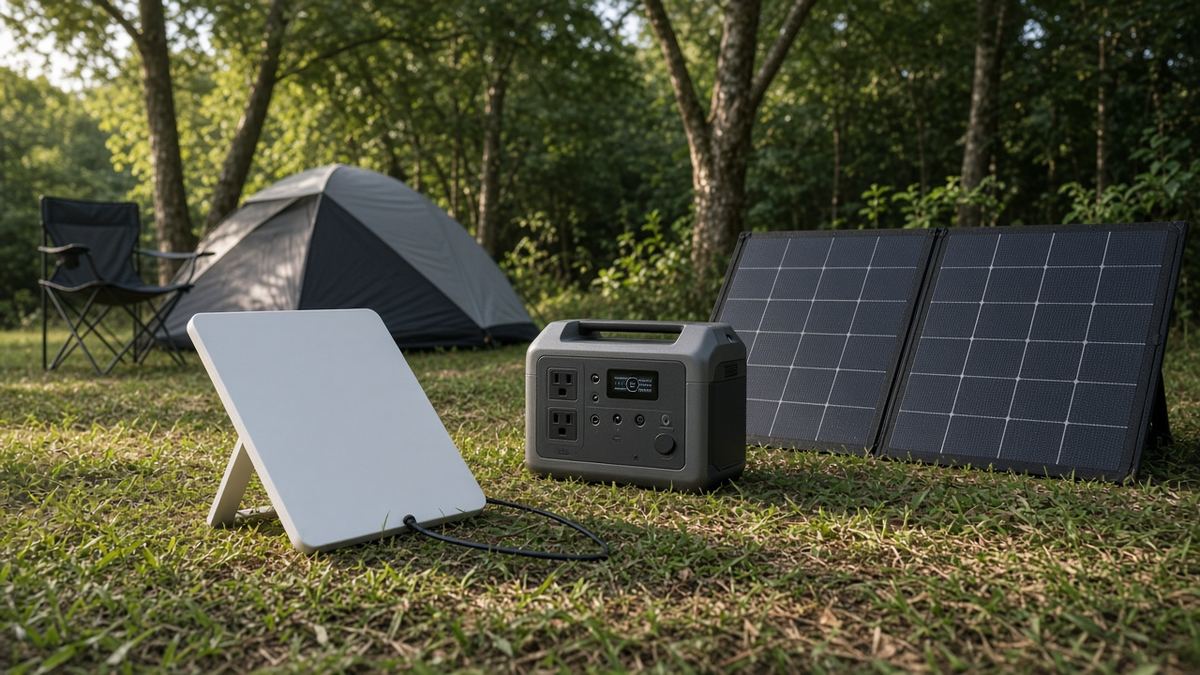
Example estimate - actual needs vary.
Gear on Amazon: 1500Wh power stations · 200W RV solar
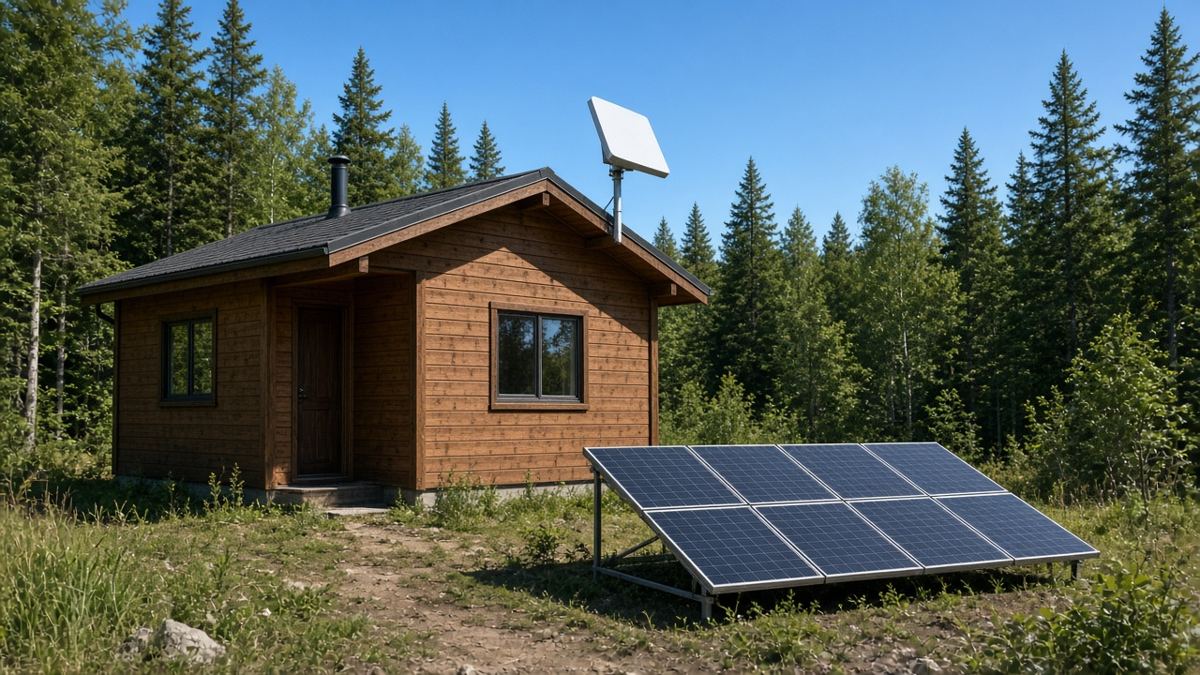
Example estimate - actual needs vary.
Gear on Amazon: LiFePO4 batteries · ground mount kits
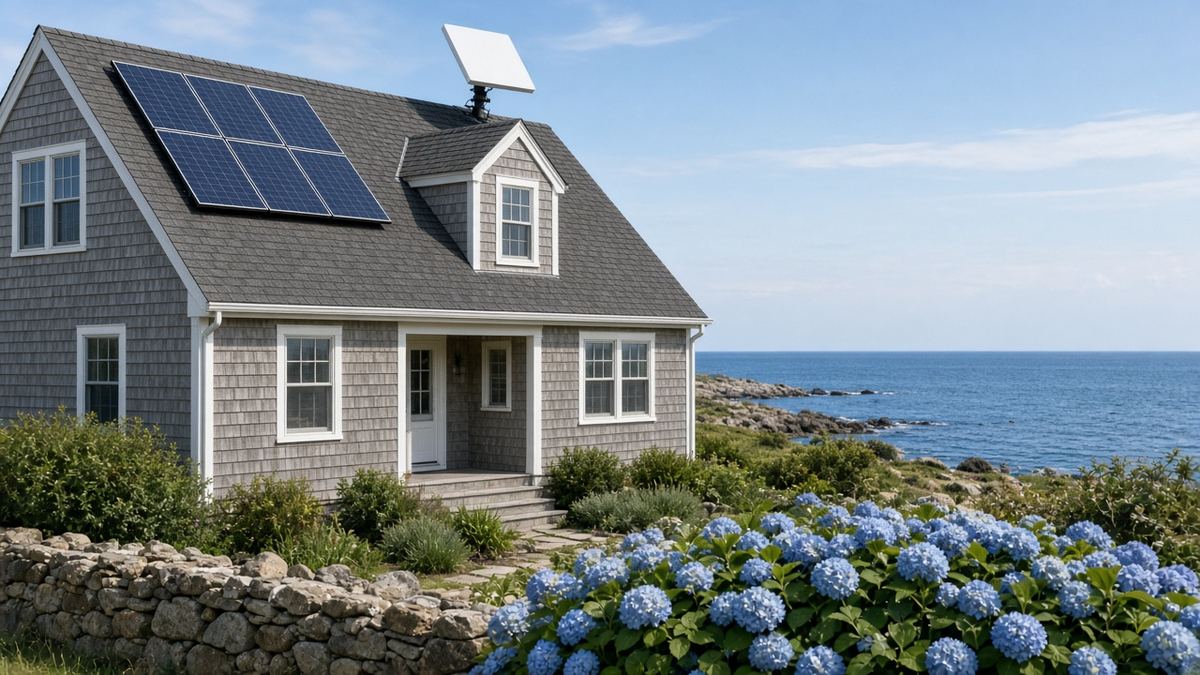
Sun hours change with location and season, so panel sizing for Portsmouth, RI and Kerrville, TX differs; the peak sun hours above are rough annual approximations. Contact us for a design for your site.
As an Amazon Associate I earn from qualifying purchases.
Referral disclosure: GreenTechFusion is a Starlink customer and participates in the Starlink Referral Program. When a new customer orders through our link and meets Starlink's program terms, both GreenTechFusion and the new customer may receive a referral reward, as set by Starlink and shown in your Starlink account. Rewards and terms are set by Starlink and can change.
Starlink is a trademark of Space Exploration Technologies Corp. (SpaceX). GreenTechFusion is not affiliated with or endorsed by SpaceX or Starlink, except as a participant in the Starlink Referral Program. Specifications cited from Starlink's published spec sheets, Oct 2026.